Engineered Ready Mix Concrete for Any Application
Premium ready mix concrete custom-batched directly on your site in Edgware. Guaranteed exact volumes, certified structural strengths from C10 to C45, and zero waste.
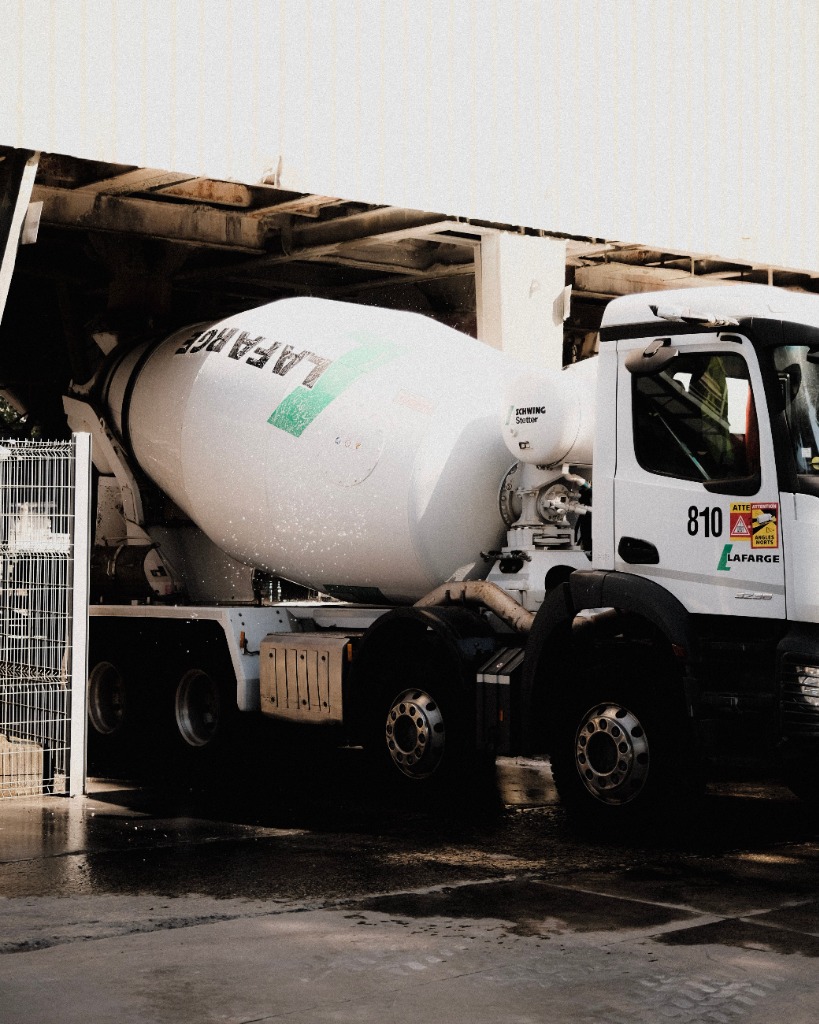
Choosing the appropriate concrete grade is vital to guarantee structural load capability, thermal stability, and long-term freeze-thaw endurance. At Ready Mixed Concrete Edgware, all batches are computer-controlled in our mobile volumetric units to comply with British Standards BS EN 206 and BS 8500. Whether your project demands high-workability pump mixes or heavy-duty reinforced foundations, we calibrate precisely to your engineer's schedule.
Comprehensive Concrete Strength & Grade Matrix
Concrete compressive strength is verified in Newtons per square millimetre (N/mm²) after standard 28-day curing. Review our standard mix designations below to match your project specifications:
| Designated Mix | Strength Class | Typical Applications in Edgware | Technical Characteristics |
|---|---|---|---|
| GEN 1 (C10) | 10 N/mm² | Trench blinding, drainage surround, kerb backing, unreinforced cavity fill | Lean non-structural mass concrete. Economical sub-base stabilizer. |
| GEN 2 (C15) | 15 N/mm² | Domestic shed bases, greenhouse foundations, unreinforced garden paths | Light residential pad foundations where heavy vehicle loads are absent. |
| GEN 3 (C20) | 20 N/mm² | Home extension strip footings, patio sub-bases, garage base slabs | Versatile domestic structural standard with balanced workability. |
| RC25/30 (C25) | 25 N/mm² | Reinforced foundation slabs, raft foundations, retaining wall bases | High density, multi-purpose structural mix resisting moderate ground moisture. |
| RC30/35 (C30) | 30 N/mm² | Heavy-duty vehicle driveways, commercial yards, external hardstandings | Frost-resistant air-entrained matrix designed for outdoor weathering and vehicle traffic. |
| RC35/45 (C35 - C45) | 35 - 45 N/mm² | Piled foundations, structural columns, industrial factory slabs, underpinning | Maximum compressive resistance, impermeable to chemical attack and heavy point loads. |
| Sand & Cement Screed | 1:3 / 1:4 Ratio | Underfloor heating screeds, fine floor levelling, final wearing screeds | Available in traditional semi-dry, polymer-modified, or fibre-enriched options. |
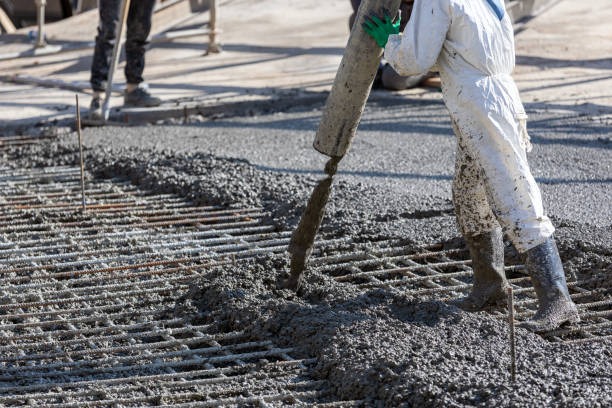
Custom Performance Additives & Mix Enhancements
Every construction site presents distinct site geometry, weather considerations, and placement speeds. Our on-board volumetric batching enables real-time admixture integration:
Structural Polypropylene Fibres
Micro and macro synthetic fibres introduced during mixing form a three-dimensional reinforcement matrix, suppressing early plastic shrinkage cracks and substantially improving impact resistance.
Retarding & Accelerating Admixtures
In warm summer conditions or intricate line-pumping pours, set-retarders prolong placement workable time. During frosty winter months, accelerator admixtures speed up curing to protect against frost damage.
Plasticisers & Superplasticisers
Enhances concrete slump and ease of flow around congested steel reinforcement cages without increasing the water-cement ratio, safeguarding ultimate compressive strength.
Hydrophobic Permeability Reducers
Ideal for basement tanking, swimming pools, retaining walls, and sub-ground structures requiring watertight concrete integrity.
Understanding Concrete Slump Classes
Slump defines the wet consistency and fluidity of the mix. With volumetric trucks, our operators fine-tune the slump on-site to match your discharge method:
- S1 (10–40mm Slump): Semi-dry, zero-slump mix used for kerbing, bedding, and traditional floor screeds.
- S2 (50–90mm Slump): Stiff mix suitable for sloped ground, hand-trowelled foundations, and ramp forms.
- S3 (100–150mm Slump): Standard workable consistency ideal for residential footings, chutes, and general barrowing.
- S4 / S5 (160–220mm+ Slump): High-fluidity pump mix designed to glide through ground pipeline pumps and flow effortlessly around tight rebar mesh.
Hydration & Proper Curing Guidelines
Concrete gains strength through hydration rather than drying out. Keep the surface consistently moist by applying curing membranes, light mist spraying, or covering with damp hessian and heavy-gauge polythene sheeting for a minimum of 5–7 days following the pour.